




Carlos Dattoli
- December 17, 2025
- 0 Comments
Wellness habits that settle into life and stay quietly supportive
Wellness does not need to announce itself to work. It often shows up in the background, shaping how a day feels without asking for attention. Most people are not trying to fix their bodies. They are trying to live without constant fatigue, tension, or confusion around health. In many broad wellness discussions, including themes often linked with Dr. Mercola, the focus stays on living in a way that feels steady rather than intense.
How health improves when pressure fades
The body reacts quickly when pressure reduces. Not overnight. Not dramatically. But steadily.
Energy feels more even. Hunger signals feel clearer. Sleep settles without being forced. These changes usually happen when people stop chasing results and start paying attention instead.
Wellness grows through awareness. Noticing when the body feels heavy. Recognising when rest is needed. Understanding when food supports or drains. These signals guide better choices without rules.
Everyday habits that quietly support balance
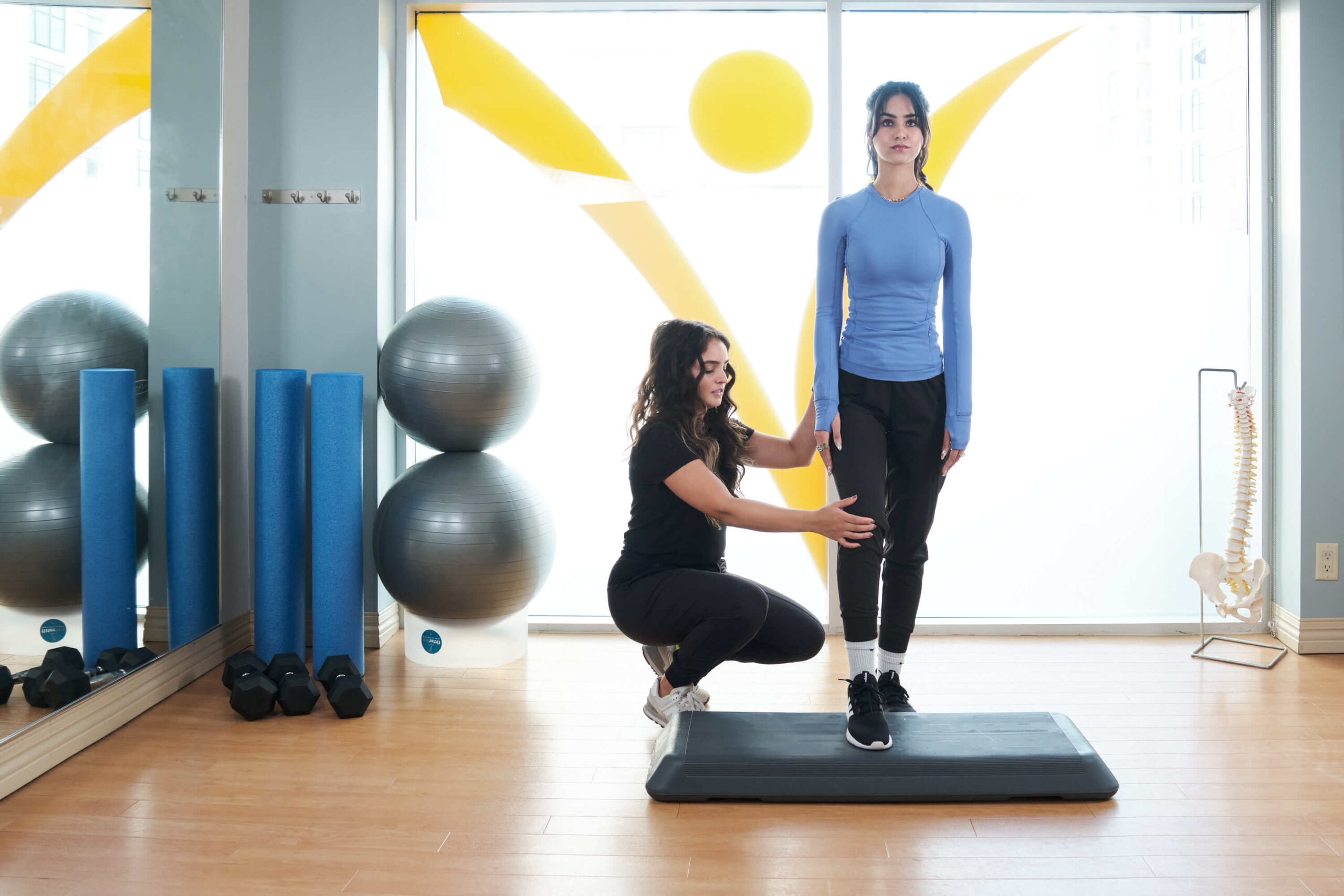
Small actions repeated gently shape wellbeing more than big changes done once.
- Drinking water regularly without tracking amounts
- Eating meals at a calm pace
- Standing up or stretching when the body feels stiff
- Getting brief daylight during the day
- Allowing rest when energy dips
These habits fit into real life. They do not require motivation. They simply become part of how a day moves.
Rest as part of the day
Rest is not only something that happens at night. It also happens in small pauses. Sitting quietly for a few minutes. Stepping away from noise. Letting the breath slow down naturally. These moments tell the nervous system it can relax. Over time, sleep often improves without effort. Daily rest protects energy before exhaustion sets in.
Stress shows itself early
Stress rarely arrives all at once. It builds quietly.
- Tight shoulders
- Short breathing
- Feeling rushed for no clear reason
- Reduced patience
Wellness thinking encourages noticing these signs early. Slowing down slightly often prevents larger strain later. The goal is not to eliminate stress but to respond before it takes over.
Some days feel light. Others feel slow. Both are normal. Wellness supports both. The strongest wellness habits do not demand attention. They support quietly. Calm routines. Supportive eating. Gentle movement. Regular pauses. These choices do not need discipline. They fit naturally into daily life.
And when broader wellness conversations, including those connected to Dr. Mercola, circle back to these same ideas, they reflect something simple. Health lasts longest when it feels human, flexible, and quietly woven into everyday living.