
Carlos Dattoli
- December 24, 2025
- 0 Comments
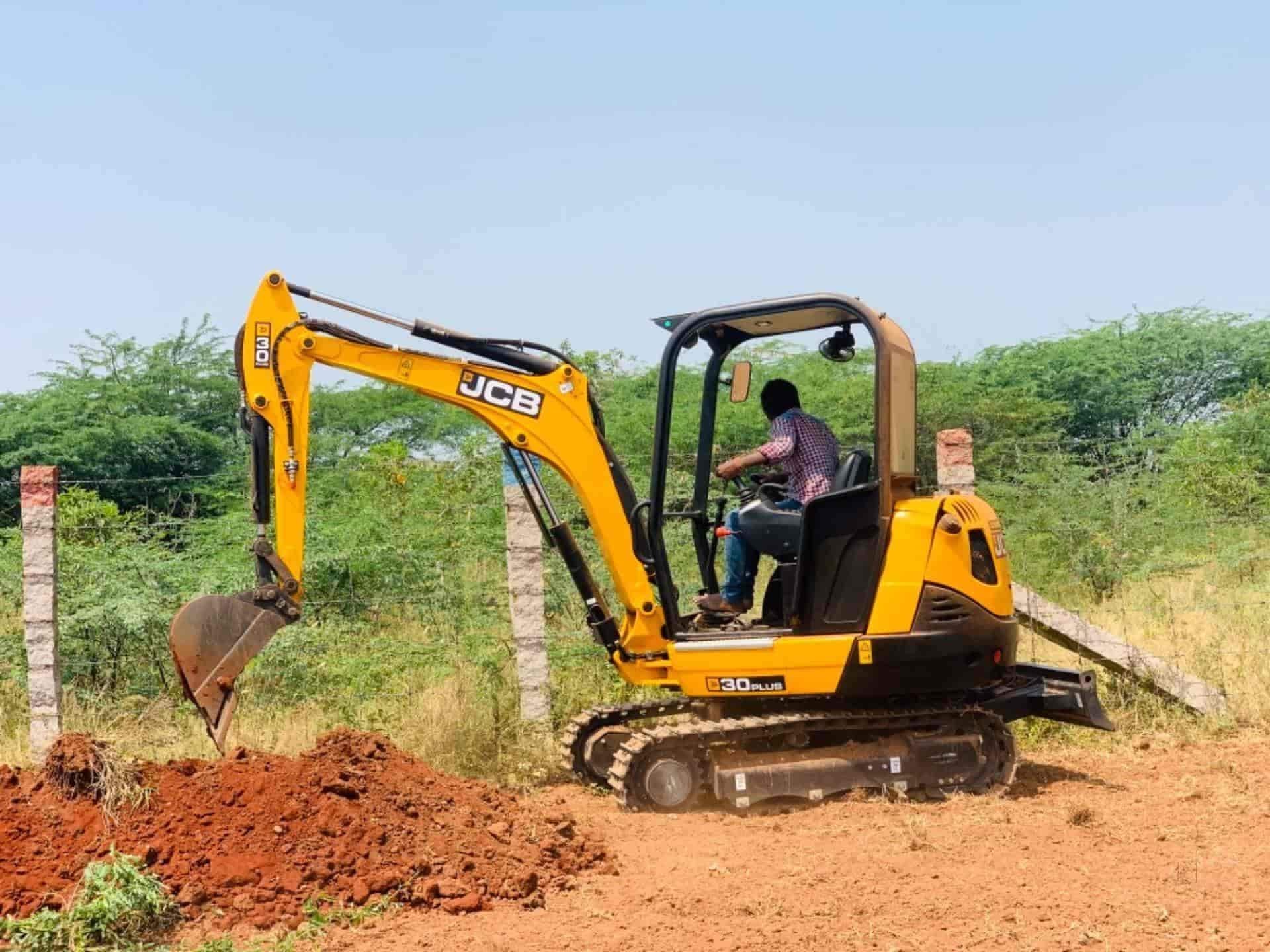
Short-term equipment rental supporting flexible timelines for changing construction needs
Project plans often change without warning. Teams face shifting schedules, tight budgets, and sudden scope updates. Quick access to tools becomes a deciding factor for steady progress. Many builders now rely on shared machinery models to answer timing pressure. This approach reduces idle costs and improves planning control. Early demand often links to excavator hire lismore as a trusted solution. The following sections explain how this method supports a smooth workflow across varied build demands.
Rapid response for shifting project schedules
Unexpected delays require immediate adjustment across work stages. Temporary machinery use helps teams react without stress.
- Immediate availability helps crews resume tasks after sudden schedule changes
- Reduced waiting periods keep labor output steady during altered timelines
- No ownership limits allow fast swap based on task readiness
- Short usage cycles prevent unused assets during paused operations
This approach keeps momentum strong even during unpredictable calendar changes.
Flexible planning through shared machinery use
Shared machinery options give planners freedom. They support clear cost control while adapting to revised task orders. Managers gain clearer forecasting. Teams avoid long-term financial ties. Adjustments stay simple. Operations continue without a heavy burden.
Cost balance during uncertain work phases
Budget control matters when scope shifts. Temporary tool use reduces large spending risks. Costs align with active needs only. Idle expenses disappear. Cash flow stays healthier. Decision-making becomes easier for supervisors.
Adaptable supply supporting phased development needs
Projects often progress in stages. Each stage requires different tools. Shared machinery allows a correct match per phase. Crews switch tools smoothly. No storage pressure arises. Site organization improves naturally.
Operational ease for short-duration tasks
Brief tasks do not justify ownership. Temporary sourcing fits these moments. Teams complete small jobs quickly. Equipment returns after use. Space remains clear. Worksites stay organized.
Reduced maintenance responsibility for teams
Maintenance consumes time, effort money. Shared sourcing shifts this duty away. Providers manage upkeep. Teams focus on output. Downtime risk drops. Productivity remains consistent.
Scalable solutions for workforce size changes
Labor numbers often rise or fall. Tool needs to follow similar patterns. Shared access scales easily. Extra units appear when crews expand. Fewer units remain when staff are reduced. Planning stays balanced.
Local sourcing for immediate machinery needs
Nearby availability shortens response time. It strengthens planning certainty. Teams often depend on excavator hire lismore to meet urgent demands. This option supports quick delivery, clear coordination, and reliable availability. Work continuity improves during critical moments.
Focused closure through adaptable sourcing
Shifting build demands require calm planning. Shared machinery use answers uncertainty with clarity. Teams gain speed, cost balance, and reliable output. Each stage receives proper support without burden. This approach suits modern project realities. The short-term equipment rental supporting flexible timelines for changing construction needs reflects a smart path toward steady completion.
FAQ Section
- Why do teams choose shared machinery instead of ownership? It lowers long-term cost pressure while improving scheduling freedom.
- How does this method help sudden plan changes? Tools arrive quickly, allowing work to continue without pause.
- Is this approach suitable for small tasks? Yes, it fits brief needs without storage or upkeep stress.
- Does shared sourcing affect safety compliance? Updated units meet current rules, reducing inspection issues.
- Can budgets remain stable using this model? Spending aligns closely with active work phases, improving control.