
Ransomware Recovery Plans Become Far More Reliable Using Veeam Backup Solutions

Attackers rarely stop at encrypting live servers anymore. Most now hunt for stored copies first, because destroying them leaves victims with little choice but to pay. Tools from Veeam add several layers that keep those copies out of reach. Ransomware Recovery Plans Become Far More Reliable Using Veeam Backup Solutions describes exactly what IT teams want to understand.

Most searchers want a clear checklist covering how to protect copies, test restores, and bring systems back quickly. Without a fixed process, teams discover gaps only during an actual attack, when every minute costs money.

Why Structure Beats Guesswork During Attacks

Panic leads to rushed choices once screens start showing ransom notes. A written process tells each person exactly what to do first.

  • Keep at least one copy that nobody can edit or delete.
  • Store another version offline or inside a separate cloud account.
  • Test restores monthly, so surprises appear before real emergencies happen.
  • Assign named owners for every critical system ahead of time.

These four rules form the base of any dependable response.

Immutable Storage Stops Attackers Deleting Copies

Immutable storage locks each copy for a set number of days. Nobody can change or erase it during that window, not even an administrator. In practice, teams rely on a hardened Linux repository or object storage that supports object lock. The limitation is cost, since longer lock periods require extra storage capacity.

Why Every Backup Plan Now Needs a Copy That Cannot Be Changed

Scanning Restored Data Before Bringing Systems Online

Restoring infected files simply brings the attack back. Secure restore scans each copy for malware before it returns to production. Inline detection can also flag suspicious changes, such as sudden mass encryption, while jobs run. Scanning adds time, so large environments must balance speed against safety.

Common Gaps Attackers Exploit Inside Protection Setups

Attackers study an environment carefully before striking. These weaknesses appear again and again in real incidents.

  • Storage servers joined to the main domain share stolen administrator passwords.
  • Missing multifactor authentication lets intruders log into management consoles easily.
  • Retention periods shorter than the attacker’s dwell time leave only infected copies.
  • Unpatched software on protection servers opens known vulnerabilities to exploitation.
  • Single storage locations mean one breach can wipe everything simultaneously.
  • Untested restore jobs fail when urgency is highest, and staff is stressed.
  • Shared service accounts carry broad permissions nobody ever reviews.
  • Alert emails sent to unmonitored inboxes go unnoticed for weeks.

Orchestrated Restores Cut Downtime During Crises

Orchestration tools run restore steps in a fixed order automatically. Systems such as domain controllers start before the applications that depend on them. Teams relying on Veeam can document, test, and launch these sequences from one console. The main drawback is setup effort, because every dependency must be mapped carefully.

Step by Step Response for Your Team

  • Isolate infected machines from the network immediately.
  • Confirm which copies were taken before infection started.
  • Scan chosen copies for malware before restoring anything.
  • Restore core services such as identity systems first.
  • Bring business applications back in priority order.
  • Reset all passwords once systems are clean.
  • Record every action for later review.

Honest Reasons Many Organisations Still Struggle

Many teams buy good tools but never practise restoring at scale. Others keep retention too short, so every stored copy already contains the infection. Some skip patching protection servers because the task seems low priority. Attack methods also keep changing, and newer groups often steal data before encrypting it. Even a perfect restore cannot undo leaked information.

Habits That Keep Defences Strong Over Time

Run restore tests on a fixed schedule rather than only after incidents. Review retention and access settings every quarter. Keep a simple runbook updated whenever systems change. Practise a full tabletop exercise at least once a year. Repeating the same checks builds confidence that copies will work when needed.

FAQ on Protecting Stored Copies

  • How long should immutable copies stay locked?Fourteen to thirty days suits most organisations.
  • Does paying the ransom guarantee data return? Many victims never receive working decryption keys.
  • Should storage servers join the main domain?Ideally not, since shared credentials increase exposure.
  • How often should restores be tested?Monthly at minimum for critical systems.
  • Can cloud copies replace local ones?They work best together, balancing speed against isolation.

Preparation Decides Who Bounces Back

Surviving an extortion attempt depends on preparation long before trouble arrives. Locked storage, offsite duplicates, and regular drills form a sturdy defence. Malware scans prevent infections from sneaking back after restoration. Rehearsing the sequence quarterly reveals weak points early. Steady discipline beats chasing a perfect setup that never gets finished.

Proxmox Users Gaining Enterprise-Grade Protection Now That Veeam Supports Their Platform: Backups, Restores, Migrations

Open source virtualisation has attracted many IT teams looking to cut hypervisor licensing costs. Broadcom’s licensing changes after acquiring VMware pushed plenty of businesses toward alternatives. Backup tooling for PVE once lagged what larger hypervisors offered. That gap closed when Veeam added native PVE integration in its 12.2 release during 2024. Administrators can finally manage mixed hypervisors through one familiar backup console.

Native Integration Arrived in Version Twelve Point Two

Backup and Replication 12.2 introduced PVE virtual machine backups in August 2024. A lightweight worker appliance handles data movement directly inside the hypervisor cluster. Later updates expanded restore options plus improved performance for larger clusters.

Image-Level Backups Replace Manual Snapshot Scripts

Many PVE admins previously relied on homemade scripts or the built-in vzdump tool. Image-level jobs capture whole virtual machines with consistent restore points automatically. Incremental runs reduce transfer sizes after the initial full backup completes.

Restore Options Available for Hypervisor Administrators

Recovery choices matter as much as copy creation during real incidents. Admins can choose whichever method suits each outage or mistake.

  • Full virtual machine restores bring entire workloads back after serious failures.
  • File-level recovery retrieves single documents without restoring whole machines.
  • Application item restores recover specific database records or mailbox items.
  • Cross-hypervisor restores move workloads into VMware, Microsoft hypervisors, or public clouds.
  • Reverse migration lets teams move VMware machines onto PVE hosts.

Veeam

Strengthening Ransomware Defences Across Mixed Environments

Copies stored inside one cluster offer little safety if attackers reach that cluster. Teams adopting Veeam for PVE can store copies on hardened immutable repositories elsewhere.

  • Hardened Linux repositories block deletion attempts during set lock periods.
  • Object storage with object lock adds another tamper-resistant copy.
  • Multifactor authentication on backup consoles stops stolen password logins.

Common Questions From Hypervisor Administrators

Which release first added PVE backups?

Backup and Replication version 12.2 introduced native PVE support in August 2024.

Can PVE backups restore onto VMware hosts?

Yes, cross-hypervisor restores allow moving workloads between different virtualisation systems.

Does the integration require extra licences?

Workloads are typically covered under the universal licence counted per protected machine.

Is Proxmox Backup Server still useful?

Yes, many smaller teams combine it alongside commercial tools for extra copies.

Safer Clusters Ahead

KVM-based hosts deserve the same careful safeguarding as any commercial option. Adopting Veeam brings consistent copy jobs, flexible restores, plus stronger ransomware resistance. Store at least one locked copy away from production servers. Test recovery monthly so surprises appear before real outages strike. Steady routines applied regularly protect workloads far better than occasional big projects.

Preserving Property Value Through Shingle Roofing and Gutter Improvements

After a heavy spell of rain, a homeowner might notice water spilling over a gutter or a damp patch appearing near an exterior wall. These small signs can point to drainage problems or damage around the roof edges. Regular shingle roof guttering roofing helps homeowners identify such issues before they develop into more extensive repairs.

Shingles protect the roof surface, while gutters and downspouts direct rainwater away from vulnerable parts of the building. Both systems need appropriate inspection and maintenance to function properly. Their condition can influence repair costs, the appearance of the property, and the confidence of prospective buyers. Although maintenance cannot guarantee a particular resale price, addressing visible defects helps preserve the building’s overall condition.

Choosing Strong Coverings First

Durable outer layers resist weather better than basic options. They form the main barrier that keeps interiors dry through heavy storms.

Proper roof design and gutter slope help direct water towards designated drainage points. Poor drainage can cause standing water, overflow, and moisture-related deterioration.Select shingles rated for local weather conditions and ensure they are installed according to manufacturer instructions and applicable building requirements. Local climate patterns should guide the selection process for best results.

Installing Effective Edge Systems

Correct placement ensures water moves away from vulnerable areas. Poor alignment allows overflow that damages siding over repeated seasons.

Secure fastening at regular intervals keeps channels stable against high winds. Loose sections shift and create gaps that invite debris accumulation. Testing flow with a hose after installation confirms proper direction before final sealing.

shingle roof guttering roofing

Maintaining Consistent Flow Paths

Blocked gutters can cause overflow and allow water to collect near roof edges or exterior walls. Regular clearing keeps the system working as designed during peak rainfall. Seasonal leaf drop creates the highest risk of blockage in many regions. Owners who schedule cleanings around peak debris periods reduce emergency calls.A coordinated approach to shingle roofing and gutter maintenance helps homeowners address surface damage and drainage problems together. Combined care extends service life far beyond isolated fixes. Documentation of each cleaning helps track patterns of wear over multiple years.

  • Inspect joints twice yearly for early separation signs.
  • Clear debris from channels after every major storm event.
  • Check fasteners holding edges to prevent gradual loosening.
  • Seal gaps around outlets to stop slow seepage problems.
  • Replace worn sections before leaks reach interior spaces.

Extra care during autumn leaf fall reduces winter ice risks. Spring checks confirm winter weather left no hidden cracks. Summer heat can dry seals, so mid-season reviews catch softening early. Winter inspections focus on ice buildup that stresses edges. These four seasonal reviews create a complete annual cycle of protection.

Scheduling Routine Upkeep Visits

Planned reviews catch problems while repairs stay simple. Waiting until visible damage appears raises costs sharply.

  • Document each visit with notes on current conditions found.
  • Hire trained workers for complex edge realignments only.
  • Track material ages to plan replacements ahead of failure.

shingle roof guttering roofing

Frequently Asked Questions About Roof Maintenance

  • How often should shingle roofs and gutters be inspected?Inspect them at intervals suited to local weather, roof condition, nearby trees, and manufacturer guidance. Check for visible damage after severe storms.
  • What signs suggest a roofing or gutter problem?Look for missing or damaged shingles, loose gutter joints, overflowing channels, water stains, sagging sections, and damp patches near exterior walls.
  • Can roof and gutter maintenance protect property value?Maintenance can help preserve building condition and reduce avoidable damage, although resale value depends on several additional factors.

Maintaining Roof Condition Over Time

Regular attention to shingles, gutters, and downspouts helps homeowners identify maintenance needs before minor defects become more extensive problems. Choosing suitable materials, following manufacturer guidance, and arranging professional repairs when necessary can help preserve the property’s condition over time. Although these steps cannot guarantee a particular resale value, they support responsible ownership and more informed maintenance decisions.

What Makes Unblocked Games Suitable For Short Breaks Between Tasks?

A brief pause can restore attention when demanding work begins to feel repetitive, unblocked games offer quick entertainment without requiring lengthy sessions or complicated controls. Their appeal comes from accessible gameplay, clear objectives, and flexible stopping points. For students and office workers, these features can make short breaks easier to manage. The right game provides mental variety while leaving enough time for the next task.

1. Quick Gameplay Matches Short Breaks

Short sessions work best when goals remain clear. Simple controls allow players to begin without lengthy preparation. A puzzle round or racing challenge can occupy five minutes. Once the round ends, attention can return to pending responsibilities. This format suits lunch intervals, study pauses, and waiting periods.

2. Easy Access Removes Unnecessary Friction

Browser-based entertainment reduces setup time between demanding tasks. Many unblocked games offer direct access through compatible web browsers. That convenience suits environments with limited installation permissions. However, access depends on network rules and device policies. A short session remains worthwhile when loading takes seconds, not minutes.

3. What Keeps Each Session Manageable?

Defined objectives create natural stopping points during brief pauses. A completed level provides closure without requiring extended commitment. Suitable choices include:

  • Match symbols before time runs out.
  • Complete one short racing course.
  • Solve a compact logic puzzle.
  • Beat a single arcade challenge.

Such limits help prevent casual entertainment from consuming scheduled work time.

unblocked games

4. Mental Variety Breaks Up Repetitive Work

After repeated calculations or reading, a different activity can feel refreshing. A light puzzle changes the immediate demands placed on attention. Research on casual gaming suggests potential benefits for mood recovery, although cognitive results vary. Choosing low-pressure gameplay keeps the break enjoyable without adding another stressful challenge.

5. Can Players Return Without Losing Focus?

The answer depends on game design and personal habits. A short round with a clear endpoint supports an orderly return. By contrast, competitive matches may encourage extended play. Useful boundaries include:

  • Set a five-minute timer beforehand.
  • Choose games with definite endpoints.
  • Disable distracting notifications during breaks.
  • Stop when the timer signals.

These habits protect schedules and reduce lingering distractions.

6. Small Breaks Shape Sustainable Work Habits

A brief game can mark the boundary between completed work and upcoming duties. After finishing a puzzle, a student might review notes before beginning another assignment. That transition gives leisure a defined role rather than letting entertainment interrupt concentration throughout the day.

The key is intentional use, not constant stimulation. A timer turns a casual diversion into a deliberate pause.

Frequently Asked Questions

  1. Are browser games suitable for five-minute breaks?

Yes, games with short rounds can fit limited intervals. A visible endpoint helps prevent breaks from running overtime.

  1. Which game types suit busy schedules?

Puzzle games, simple racing challenges, and arcade rounds work well. Short objectives make stopping easier when responsibilities resume.

  1. Can gaming improve concentration after studying?

Casual gaming may support mood recovery, but results vary. Research does not establish that every game improves subsequent concentration.

  1. How can players avoid spending too long gaming?

A timer and a fixed stopping point provide clear boundaries. Games without natural endpoints require stronger limits.

Elevate Battle Readiness Through PUBG Hacks Supporting Personalized Playing Preferences

Players develop different habits around movement, aim, and timing. Yet unofficial tools can create fair-play concerns and account risks. The pubg hacks may attract users wanting choices that match familiar playing preferences. Personal settings should remain simple and easy to understand. Careful choices help players recognize what suits their routine.

Match Controls with Personal Habits

Different reactions require different control preferences during matches. Familiar layouts can reduce hesitation and support steadier focus.

Choose Settings That Feel Natural

Small adjustments can make controls easier to manage.

  • Keep movement controls comfortable for repeated actions during matches.
  • Choose sensitivity levels that feel steady during quick turns.
  • Arrange buttons where fingers reach them without strain.
  • Keep important actions visible during busy moments.
  • Test changes gradually before competitive matches begin.
  • Avoid complicated layouts that create hesitation during fights.
  • Review personal habits before copying another player’s settings.
  • Keep useful changes consistent across different playing sessions.

Build Awareness Around Personal Choices

Personal preferences work best when they support clear decisions. Notice which habits improve control and which create mistakes. The pubg hacks should not replace awareness, practice, or fair competition.

pubg hacks

How Do Personal Choices Shape Better Battle Preparation?

A familiar setup can help players react with less hesitation. Natural controls allow more attention toward sounds, movement, and timing.

Unofficial modifications can create risks beyond gameplay. They may conflict with rules, trigger penalties, or expose users to unsafe software. Consider these concerns before making changes. Regular practice provides a safer way to develop dependable habits.

Review Changes Before Regular Matches

A quick review can show whether an adjustment helps. Check movement, aiming, visibility, and response before keeping changes.

Keep Gameplay Choices Simple and Consistent

Consistency makes familiar actions easier to repeat. Too many changes can weaken useful habits. A clear setup keeps attention on decisions.

Make Each Setup Support Your Style

Personal choices should solve practical needs without confusion. Compare control and awareness after adjustments.

Smarter Choices Shape Better Readiness

Good preparation starts with understanding personal habits. Elevate battle readiness through PUBG Hacks supporting personalized playing preferences shows why individual choices deserve careful thought. Weigh convenience against fair-play rules and account safety. Simple controls can support reactions without questionable tools. Practice remains central to dependable skills.

Modern OutSFL Coverage Clarifies Major Differences Between THCA and THC Flower

Cannabis flower labels can appear similar despite important chemical differences.Readers using OutSFL can find clearer context around these distinctions.THCA mainly appears naturally before flower receives enough heating energy.THC becomes more prominent after heat changes the original compound.Knowing these differences supports clearer reading of labels and reports.

Chemical Forms Create Different Properties

THCA stands for tetrahydrocannabinolic acid within untreated cannabis plant material.Its molecular structure differs from THC through an additional acid group.

Fresh cannabis usually contains larger THCA amounts before strong heating occurs.That chemical detail helps explain why laboratory reports show separate values.

Storage conditions may also influence compound levels over longer periods.Clear labels therefore provide useful context about measured cannabinoid content.

Heating Changes the Main Compound

Heat causes decarboxylation, which gradually converts THCA molecules into THC.That conversion explains major differences between raw and heated material.

Temperature plus exposure duration can affect how much conversion occurs.Laboratory measurements may therefore report separate percentages for both compounds.

Consumers should examine complete testing information instead of isolated numbers.Product descriptions also require careful reading because wording sometimes varies.

OutSFL

Testing Reveals Important Flower Details

Laboratory reports provide measurable information about compounds within cannabis flower.Careful review can clarify potency figures before assumptions influence interpretation.

  • Testing separates THCA levels from THC amounts within samples clearly.
  • Certificates display measured cannabinoid percentages using standardized reporting methods today.
  • Total THC calculations may consider potential conversion from measured THCA.
  • Reliable reports identify sample dates plus relevant laboratory testing information.
  • Clear documentation helps readers compare reported chemical profiles more accurately.

Current testing practices increasingly emphasize transparency around measured cannabinoid amounts.However, testing methods may differ depending upon laboratory procedures used.Reading the complete certificate gives stronger context than marketing language.Dates also matter because plant compounds can change during storage.

Comparison Area THCA Flower THC After Heating
Natural presence Common before substantial heating occurs Increases after chemical conversion occurs
Main process Remains largely unchanged without sufficient heat Develops through decarboxylation after heating
Laboratory reporting Usually shown as a separate percentage Commonly listed beside other cannabinoid measurements
Chemical structure Contains an additional carboxyl group naturally Loses that group during sufficient heating
Label reading Requires checking complete cannabinoid testing details Requires reviewing measured plus calculated values

The table shows why similar flower labels require closer examination.Chemical state plus testing methods strongly shape reported potency information.

Common Questions About Cannabis Flower

Common questions usually focus on chemistry testing labels and conversion.Clear answers help separate measured facts from common market assumptions.

  • Does THCA naturally occur before cannabis flower receives substantial heating?Yes, THCA commonly exists naturally within fresh or unheated cannabis material.
  • Does heating change THCA into another major cannabis compound eventually?Yes, sufficient heating converts THCA into THC through decarboxylation gradually.
  • Why do laboratory reports list both compounds separately for readers?Separate measurements show different chemical forms present during sample testing.
  • Do storage conditions affect cannabinoid measurements reported after extended periods?Light, temperature plus time can influence chemical stability during storage.
  • Should labels replace complete laboratory reports when comparing flower products?No, complete certificates usually provide broader measurement details for comparison.

Regulatory treatment may also depend on definitions, testing methods plus rules. Those requirements can change as authorities update cannabis related policies.

Readers should therefore separate chemical facts from current legal classifications. A compound description alone does not establish every regulatory requirement.

Clear Knowledge Shapes Decisions

Accurate comparisons begin by separating chemistry from promotional product descriptions. Careful readers using OutSFL can review supporting details more confidently. Laboratory documents provide stronger clarity when labels appear broadly similar. Heat testing plus storage each influence how cannabinoid figures appear. Balanced knowledge creates a stronger foundation for responsible, informed interpretation.

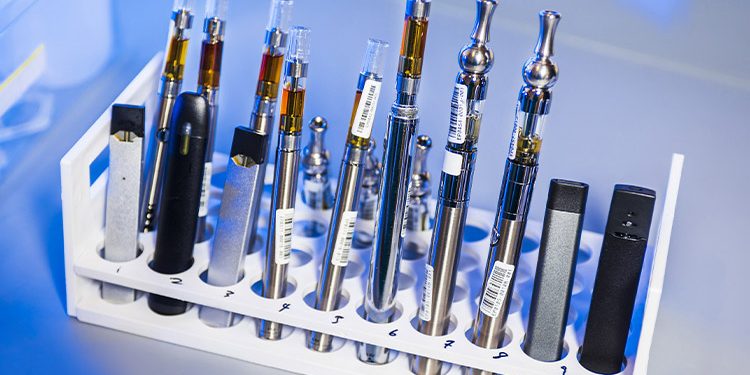
What Makes the Best THCP Vapes Stand Out From Other Options?

Many buyers spend time comparing products before making a choice. Focuses on practical comparison instead of quick opinions. Many reviews discuss thcp vapes because buyers want reliable information before selecting a product. A simple comparison process helps reduce confusion while improving confidence. Looking at important details makes every decision more informed. The following sections explain the points that deserve careful attention before choosing.

 Understanding Buyer Expectations before Selection

Many buyers prefer products that provide consistent quality every time. Clear product details make comparison much easier during research. Reliable information supports better decisions before spending money. Careful evaluation helps separate useful features from unnecessary claims.

 Important Features worth Comparing Carefully

Checking product details before buying reduces unnecessary mistakes. A simple comparison process creates more confidence during selection.

  • Check ingredient information before comparing available products from different brands.
  • Review laboratory testing details before trusting product quality or consistency claims.
  • Compare ingredient transparency instead of focusing only on attractive packaging styles.
  • Read customer feedback from multiple trusted sources before deciding carefully.
  • Verify product strength matches your personal preference before making purchases.
  • Review manufacturing standards for better confidence during product comparison activities.
  • Compare cartridge materials before selecting suitable long-term usage options.
  • Examine storage recommendations to maintain product quality after every purchase.

thcp vapes

 Quality Standards Shape Better Decisions

Quality depends upon several factors working together instead of one feature. Reliable production methods often improve product consistency through careful processes. Reading complete product details supports informed buying decisions. Honest comparison usually produces better long term satisfaction.

 Which Product Features Support Better Every day Buying Decisions Today?

Many shoppers focus only upon appearance before checking important information. That approach often creates disappointment because useful details remain overlooked. Looking beyond simple advertising helps identify products that provide dependable quality through transparent information supported by reliable manufacturing practices.

A careful comparison includes ingredients, laboratory testing, packaging quality, manufacturing standards, customer feedback, storage guidance, and overall consistency. Spending extra time reviewing these details helps reduce unnecessary mistakes while supporting informed purchasing decisions based upon useful evidence instead of assumptions.

 Simple Reviews Improve Buying Confidence

Reading detailed reviews creates better awareness before making purchases. Comparing different opinions supports balanced judgment during product selection. Small research efforts often produce more satisfying buying decisions.

 Reliable Choices through Product Evaluation

Careful comparison of thcp vapes helps buyers notice meaningful differences between available options before making purchases. Reading complete specifications supports stronger confidence during product evaluation. Reliable manufacturing practices improve product consistency through organized production methods. Balanced research reduces unnecessary uncertainty during final selection.

Practical Product Comparison Snapshot

Every product category offers different strengths depending on production methods. Comparing important details side by side helps simplify purchasing decisions. Organized information creates a clearer picture before spending money. A structured table supports practical product evaluation.

Helpful FAQ for Buyers

  • Why check laboratory reports? They confirm product quality before making purchasing decisions.
  • Why compare ingredient lists? Clear ingredients support informed product evaluation every time.
  • How useful are customer reviews? Multiple reviews reveal consistent buying patterns more accurately.
  • Why examine cartridge quality? Better materials often improve product reliability during regular use.
  • How important are storage instructions? Proper storage helps maintain product condition for longer.
  • Why compare manufacturing methods? Reliable production supports consistent product quality across different batches.

Practical Buying Habits Build Confidence

Careful comparison supports wiser purchasing decisions through organized research instead of assumptions. Reviewing trusted information creates stronger confidence before selecting products. Small evaluation steps often prevent unnecessary disappointment after buying. Consistent research remains more valuable than rushed choices based upon appearance alone.

Understanding Braces for Complex Orthodontics

The Evolution of Orthodontic Solutions

The field of orthodontics has witnessed remarkable advancements over recent decades, transforming how dental professionals approach complex cases that were once deemed exceptionally challenging. Today’s orthodontic landscape offers a diverse array of braces Liverpool, each designed to tackle specific dental irregularities with precision and effectiveness. From severe overcrowding to significant bite misalignments, modern braces systems have evolved to address even the most intricate orthodontic scenarios with impressive results.

Understanding the relationship between brace type and case complexity is essential for anyone considering orthodontic treatment. Not all dental alignment issues are created equal, and the severity of one’s condition often determines which treatment approach will yield the most favourable outcomes. Whilst mild cases might respond well to virtually any orthodontic system, complicated teeth straightening cases require careful consideration of the most appropriate appliance to achieve optimal results.

Traditional Metal Braces for Severe Misalignments

Traditional metal braces remain the gold standard for addressing the most complex orthodontic cases, and for good reason. These time-tested appliances offer unparalleled control over tooth movement, making them particularly effective for patients with severe overcrowding, significant overbites or underbites, and multiple dental irregularities occurring simultaneously. The robust nature of metal brackets and wires allows orthodontists to apply precise forces in multiple directions, gradually guiding teeth into their ideal positions.

For individuals seeking braces Liverpool practitioners often recommend traditional metal braces for cases involving substantial rotations, vertical discrepancies, or teeth that require significant repositioning. The versatility of these appliances enables orthodontists to make incremental adjustments throughout treatment, ensuring that even the most stubborn teeth respond appropriately to applied forces. Additionally, modern metal braces are considerably more comfortable and aesthetically pleasing than their predecessors, featuring smaller brackets and improved materials.

Ceramic Braces: Balancing Aesthetics and Functionality

Ceramic braces represent an excellent middle ground for patients with moderately complex cases who desire a more discreet treatment option. These appliances function identically to traditional metal braces but utilise tooth-coloured or clear brackets that blend seamlessly with natural tooth enamel. This aesthetic advantage makes ceramic braces particularly popular amongst adults and image-conscious teenagers who require comprehensive orthodontic correction but prefer a less conspicuous appearance.

The effectiveness of ceramic braces in addressing complex cases should not be underestimated. Whilst they may require slightly more careful maintenance due to the nature of the ceramic material, these appliances can successfully manage cases involving moderate to severe crowding, spacing issues, and bite corrections. Orthodontists appreciate the predictable results ceramic braces deliver, particularly when treating cases that fall within the moderate complexity spectrum.

Lingual Braces for Invisible Correction

Lingual braces represent one of the most sophisticated orthodontic solutions available, positioned on the inner surfaces of teeth rather than the outer. This placement makes them completely invisible to others, offering the ultimate in aesthetic discretion. Despite their hidden nature, lingual braces are remarkably effective at managing complex orthodontic treatments that require substantial tooth movement and precise control.

The customised nature of lingual braces makes them particularly suitable for addressing intricate cases involving deep bites, severe rotations, and multi-plane discrepancies. Each bracket is individually crafted to fit the unique contours of the patient’s teeth, allowing for highly targeted force application. However, these appliances do require a period of adjustment as patients adapt to having brackets on the tongue side of their teeth.

Self-Ligating Systems and Their Advantages

Self-ligating braces, whether metal or ceramic, incorporate a specialised clip mechanism that holds the archwire in place without requiring elastic ties. This innovative design can reduce friction and potentially shorten treatment times for certain complex cases. The reduced friction allows teeth to move more freely along the wire, which can be particularly beneficial when addressing cases requiring extensive tooth alignment.

These systems are frequently recommended for patients with braces Liverpool orthodontists encounter involving significant crowding or when extraction-free treatment is desired. The NHS orthodontic treatment options increasingly recognise the value of various brace types in managing different severity levels of misalignment.

Selecting the Right Solution for Your Needs

Choosing the appropriate brace type for complex orthodontic cases requires thorough assessment by a qualified orthodontic professional. Factors including the severity of misalignment, patient age, lifestyle considerations, and aesthetic preferences all play crucial roles in determining the most suitable treatment approach. Modern orthodontics offers solutions for virtually every scenario, ensuring that even the most challenging cases can achieve beautiful, functional results through carefully selected and expertly applied braces systems.

Why the Business Card Isn’t Dead (You’re Just Holding the Wrong Kind)

The business card didn’t die. It got boring.

Paper is fine for exchanging information. It’s terrible at carrying presence. Metal, on the other hand, does something paper can’t: it communicates value before anyone reads a single letter. You feel it. You register it. And if you’re honest, you judge it.

One-line truth: a metal card is a tiny, portable signal that you’re not playing the cheapest version of the game.


 Metal Cards Don’t “Look Premium”, They Behave Premium

Here’s the thing: people don’t remember most cards because most cards don’t survive the day. Corners bend. Ink smears. The card ends up in the hotel trash can with the event badge.

Metal changes the lifecycle.

Technically speaking, you’re swapping a disposable substrate (paper stock with coatings) for a rigid, wear-resistant medium that maintains edge definition, legibility, and surface finish after weeks of pocket friction. That matters because the second impression is often the one that closes: when someone finds your card again on their desk and you still look sharp.

Now, this won’t apply to everyone, but if your brand sells high-consideration services, consulting, real estate, B2B tech, finance, high-end creative, premium options like Metal Kards align with the buying psychology. A buyer is subconsciously asking: “Are you stable? Are you careful? Do you invest in quality?” A flimsy card answers that question in the wrong direction.


 A Quick Reality Check on First Impressions

Metal Kards

I’ve seen metal cards “win” rooms where the pitch wasn’t even perfect. Not because the card is magic. Because it sets the tone.

Weight is a cheat code.

Humans associate weight with seriousness. It’s not just vibe, there’s research behind it. A classic study in Science found that physical weight can influence perceived importance and judgment; participants using heavier clipboards rated issues as more important (Jostmann, Lakens & Schubert, 2009, Science). That’s not a direct “metal card = more sales” claim, but it explains why heft changes perception faster than words.

And perception is the opening move.


 The tactile prestige thing (yes, it’s real)

A good metal card has “tactile grammar”:

– a clean edge break (no burrs, no jagged cuts)

– a finish that doesn’t glare like a mirror unless you want it to

– texture that feels intentional, not like a manufacturing accident

– consistent thickness that reads as engineered, not improvised

Cold metal in hand also creates a micro-pause. People stop. They look. That pause is oxygen for a conversation.


 “Okay, but does it actually do anything?” NFC, QR, and the Not-So-Obvious Upside

If you’re only using metal for aesthetics, you’re leaving money on the table.

The smarter play is a hybrid: metal as the physical anchor, and a digital layer that turns curiosity into action. NFC is the cleanest implementation when it’s done right, tap, contact card opens, done.

Specialist note: NFC in metal requires thoughtful antenna placement and insulation because metal interferes with RF fields. That’s why the better manufacturers build a non-metal window, layered construction, or isolate the chip assembly so it can actually transmit reliably. If a vendor glosses over this, you’ll end up with a “premium” card that fails at the moment of truth.

Good uses I like (because they don’t feel gimmicky):

– Tap to open a vCard download (fast, low friction)

– Tap to a booking link for high-intent meetings

– Tap to a case study page customized by industry

– Tap to a “proof” page: testimonials, certifications, portfolio

Look, QR codes still work too. They’re just less elegant. NFC feels like the future; QR feels like compliance.


 Design: The Card Isn’t a Poster

Most metal card design mistakes come from ego. People try to cram.

Metal gives you less forgiveness than paper because:

– reflective surfaces amplify bad spacing

– engraving/etching punishes thin strokes

– high contrast can backfire under certain lighting

So the rules tighten.


 Typography hierarchy, but with restraint

Name first. Role second. Contact path third.

Everything else is negotiable.

Use one type family if possible. Two if you’re disciplined. I’m opinionated on this: three fonts on a business card is almost always insecurity dressed up as branding.

And don’t get cute with tiny text. If the card needs a microscope, the design failed.

One-line paragraph for emphasis:

Legibility is the new luxury.


 Metals, Finishes, Thickness: Choosing Like You Mean It

This is where the “metal cards are metal cards” crowd gets it wrong. Material decisions change the entire experience.

Metals you’ll actually encounter:

– Stainless steel: tough, corrosion-resistant, common choice; great for etched designs

– Aluminum: lighter, often anodized; good for color but scratches can show

– Brass: warm, heavy, old-school premium; patinas over time (sometimes that’s the point)

– Titanium: strong and light, expensive, very “engineered” vibe

Finishes aren’t cosmetic fluff. They determine glare, fingerprint visibility, scratch masking, and how your typography reads under warm or cool lighting. Brushed finishes hide wear better. Polished finishes photograph well but show handling. Matte coatings can look gorgeous until they chip if the coating system is weak.

Thickness is the quiet flex. Too thin feels like a novelty. Too thick becomes awkward in wallets and can feel try-hard.

In my experience, the sweet spot is whatever lets the card feel substantial without becoming a pocket brick. Your audience decides what “substantial” means.


 Practical Use: Don’t Hand These Out Like Candy

If you’re distributing metal cards the way you distributed paper cards, you’re doing it wrong.

Metal is a selective tool. It’s for moments that matter: decision-makers, high-value referrals, meetings you actually want to follow up on. Treat it like a premium handshake, not a flyer.

A simple approach that works:

– Use metal cards for A-tier contacts

– Use high-quality paper cards for general networking volume

– Make both point to the same digital identity (so your tracking isn’t fragmented)

And yes, you should track. If you can’t measure downstream behavior, you’re just buying expensive jewelry for your brand.


 ROI: What You Can Measure (and What You Can’t)

Metal cards don’t produce ROI by existing. They produce ROI by changing behavior:

– recipients keep them longer

– people show them to others (the “this is cool” pass-along effect)

– follow-up rates improve when the card embeds a next step

What I’d track if I were running this internally:

– tap/scan rate (NFC/QR)

– meeting bookings attributed to the card link

– CRM notes tagged “metal card handoff”

– conversion rate for card-received leads vs baseline leads

– time-to-second-touch (how fast they engage after receiving it)

Caveat: attribution won’t be perfect. Humans aren’t pixels. Still, you can get directional clarity quickly if you set up a clean URL path and you’re disciplined about logging.


 Sustainability (Because Someone Will Ask)

Metal can be more sustainable than paper or worse, depending on sourcing, coatings, and end-of-life.

Longer lifespan helps. Recyclability helps too, especially if you avoid mixed materials that are hard to separate. The messy part is energy intensity in production and specialty coatings.

If sustainability is part of your brand promise, don’t just say “eco-friendly.” Be specific:

– recycled content percentage (if available)

– packaging choices (minimal, recyclable)

– whether the card is designed for reuse (updates via digital profile rather than reprints)

People can smell vague green claims a mile away.


 Pitfalls I See All the Time (and Quick Fixes)

Pitfall: Overdesigning the card until it becomes unreadable.

Fix: Reduce content. Increase whitespace. Make one action obvious.

Pitfall: Choosing a finish that turns into a fingerprint museum.

Fix: Brushed or matte, plus a coating that’s proven to hold up.

Pitfall: NFC that works “sometimes.”

Fix: Ask how the antenna is implemented in metal. If the answer is hand-wavy, walk.

Pitfall: Treating the card as the pitch.

Fix: The card is a trigger, not the story. Build a clean next step into the digital link.


 The Honest Take

A metal business card won’t fix a weak offer. It won’t save a bad meeting. It won’t make people trust you if you act untrustworthy.

But when your fundamentals are solid?

Metal is leverage. It’s one of the few physical brand assets that can still interrupt someone’s autopilot, buy you a second look, and make your follow-up feel expected instead of random (which is half the battle).

Want Longer Lasting Focus? Start By Understanding Energizing Kratom Types

Mental focus fades before motivation disappears. Small choices often shape attention longer than expected. Picking an energizing kratom variety deserves careful thought. Leaf characteristics influence the overall experience through natural alkaloid balance. Choosing blindly invites mixed results. Learning those differences helps match expectations with personal goals while exploring kratom energy through informed decisions.

Why Do Energizing Strains Feel Different?

Fresh leaves contain varying natural alkaloid combinations. Harvest timing changes overall composition across batches. Climate influences plant development throughout each season. White vein options often deliver brighter stimulation. Green varieties offer smoother mental engagement for extended work. Personal response still depends upon individual body chemistry and lifestyle habits.

Choosing The Right Vein Matters

One label never guarantees identical results. Experience, daily schedule, and sensitivity influence every selection. A student preparing for examinations may prefer gentle clarity. An office professional could appreciate balanced concentration during lengthy meetings. Thoughtful selection creates greater consistency across repeated experiences.

  • Morning tasks benefit from lighter varieties.
  • Meal timing shapes overall response.
  • Personal tolerance deserves regular attention.
  • Small servings encourage measured evaluation.
  • Written notes reveal useful patterns later.

kratom energy

Which Habits Extend Mental Performance?

Focus depends upon more than leaf selection alone. Hydration improves comfort throughout extended working hours. Balanced meals provide reliable fuel before difficult projects. Short walking breaks refresh concentration between demanding assignments. Sleep quality shapes alertness during every productive morning.

Helpful habits include:

  • Drink water before beginning work.
  • Eat balanced meals daily.
  • Pause briefly after intense concentration.

Matching Everyday Goals With Experience

Purpose guides every worthwhile choice. Preparing presentations requires different expectations than creative writing sessions. Body chemistry shapes personal outcomes through unique biological responses, kratom energy becomes more meaningful when paired with realistic expectations instead of exaggerated assumptions. Observation creates confidence across future selections without unnecessary guesswork.

Common Mistakes Worth Avoiding Early

Quick decisions rarely produce satisfying experiences. Large servings never replace thoughtful experimentation. Mixing multiple stimulants creates unpredictable responses for newcomers. Careful note-taking reveals useful details across different varieties. Yet patience rewards steady evaluation far more than rushed testing.

  • Avoid changing multiple variables simultaneously.
  • Record timing with brief notes.
  • Test one variety first.
  • Respect personal tolerance levels.

Focus Builds Through Informed Choices

Reliable concentration develops through informed selection and disciplined habits. White vein varieties may suit demanding mornings, while green options fit extended projects requiring steady attention. Recording observations after each experience creates personal guidance impossible to replace. Over time, those simple notes become far more valuable than chasing every newly promoted strain.