Why the Business Card Isn’t Dead (You’re Just Holding the Wrong Kind)

The business card didn’t die. It got boring.

Paper is fine for exchanging information. It’s terrible at carrying presence. Metal, on the other hand, does something paper can’t: it communicates value before anyone reads a single letter. You feel it. You register it. And if you’re honest, you judge it.

One-line truth: a metal card is a tiny, portable signal that you’re not playing the cheapest version of the game.


 Metal Cards Don’t “Look Premium”, They Behave Premium

Here’s the thing: people don’t remember most cards because most cards don’t survive the day. Corners bend. Ink smears. The card ends up in the hotel trash can with the event badge.

Metal changes the lifecycle.

Technically speaking, you’re swapping a disposable substrate (paper stock with coatings) for a rigid, wear-resistant medium that maintains edge definition, legibility, and surface finish after weeks of pocket friction. That matters because the second impression is often the one that closes: when someone finds your card again on their desk and you still look sharp.

Now, this won’t apply to everyone, but if your brand sells high-consideration services, consulting, real estate, B2B tech, finance, high-end creative, premium options like Metal Kards align with the buying psychology. A buyer is subconsciously asking: “Are you stable? Are you careful? Do you invest in quality?” A flimsy card answers that question in the wrong direction.


 A Quick Reality Check on First Impressions
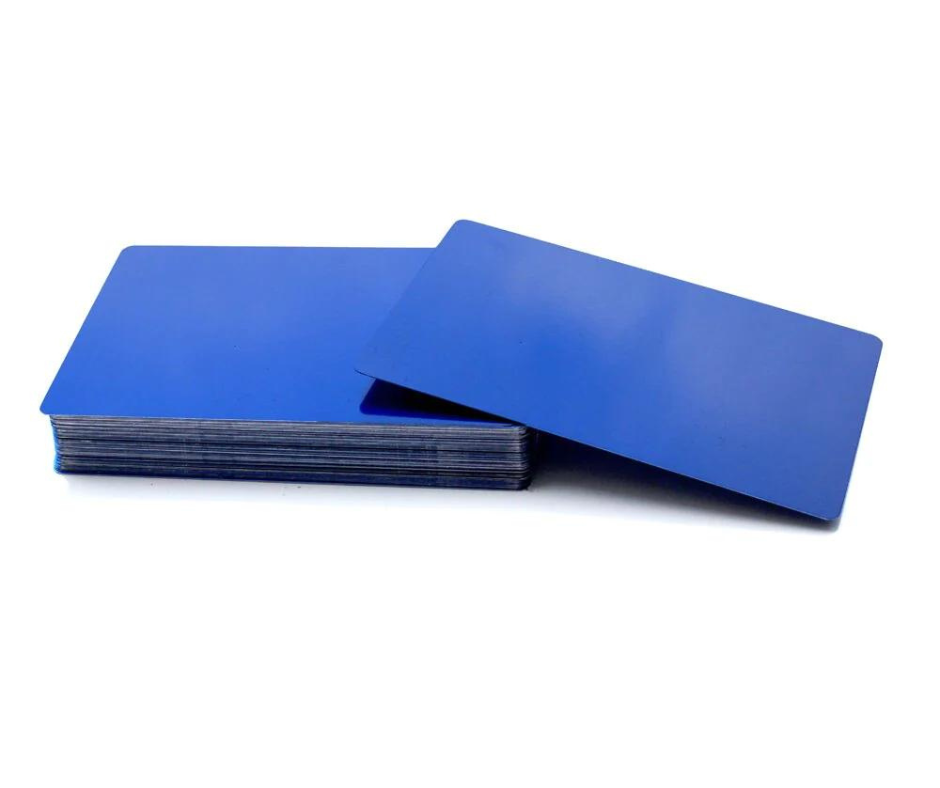
Metal Kards

I’ve seen metal cards “win” rooms where the pitch wasn’t even perfect. Not because the card is magic. Because it sets the tone.

Weight is a cheat code.

Humans associate weight with seriousness. It’s not just vibe, there’s research behind it. A classic study in Science found that physical weight can influence perceived importance and judgment; participants using heavier clipboards rated issues as more important (Jostmann, Lakens & Schubert, 2009, Science). That’s not a direct “metal card = more sales” claim, but it explains why heft changes perception faster than words.

And perception is the opening move.


 The tactile prestige thing (yes, it’s real)

A good metal card has “tactile grammar”:

– a clean edge break (no burrs, no jagged cuts)

– a finish that doesn’t glare like a mirror unless you want it to

– texture that feels intentional, not like a manufacturing accident

– consistent thickness that reads as engineered, not improvised

Cold metal in hand also creates a micro-pause. People stop. They look. That pause is oxygen for a conversation.


 “Okay, but does it actually do anything?” NFC, QR, and the Not-So-Obvious Upside

If you’re only using metal for aesthetics, you’re leaving money on the table.

The smarter play is a hybrid: metal as the physical anchor, and a digital layer that turns curiosity into action. NFC is the cleanest implementation when it’s done right, tap, contact card opens, done.

Specialist note: NFC in metal requires thoughtful antenna placement and insulation because metal interferes with RF fields. That’s why the better manufacturers build a non-metal window, layered construction, or isolate the chip assembly so it can actually transmit reliably. If a vendor glosses over this, you’ll end up with a “premium” card that fails at the moment of truth.

Good uses I like (because they don’t feel gimmicky):

– Tap to open a vCard download (fast, low friction)

– Tap to a booking link for high-intent meetings

– Tap to a case study page customized by industry

– Tap to a “proof” page: testimonials, certifications, portfolio

Look, QR codes still work too. They’re just less elegant. NFC feels like the future; QR feels like compliance.


 Design: The Card Isn’t a Poster

Most metal card design mistakes come from ego. People try to cram.

Metal gives you less forgiveness than paper because:

– reflective surfaces amplify bad spacing

– engraving/etching punishes thin strokes

– high contrast can backfire under certain lighting

So the rules tighten.


 Typography hierarchy, but with restraint

Name first. Role second. Contact path third.

Everything else is negotiable.

Use one type family if possible. Two if you’re disciplined. I’m opinionated on this: three fonts on a business card is almost always insecurity dressed up as branding.

And don’t get cute with tiny text. If the card needs a microscope, the design failed.

One-line paragraph for emphasis:

Legibility is the new luxury.


 Metals, Finishes, Thickness: Choosing Like You Mean It

This is where the “metal cards are metal cards” crowd gets it wrong. Material decisions change the entire experience.

Metals you’ll actually encounter:

Stainless steel: tough, corrosion-resistant, common choice; great for etched designs

Aluminum: lighter, often anodized; good for color but scratches can show

Brass: warm, heavy, old-school premium; patinas over time (sometimes that’s the point)

Titanium: strong and light, expensive, very “engineered” vibe

Finishes aren’t cosmetic fluff. They determine glare, fingerprint visibility, scratch masking, and how your typography reads under warm or cool lighting. Brushed finishes hide wear better. Polished finishes photograph well but show handling. Matte coatings can look gorgeous until they chip if the coating system is weak.

Thickness is the quiet flex. Too thin feels like a novelty. Too thick becomes awkward in wallets and can feel try-hard.

In my experience, the sweet spot is whatever lets the card feel substantial without becoming a pocket brick. Your audience decides what “substantial” means.


 Practical Use: Don’t Hand These Out Like Candy

If you’re distributing metal cards the way you distributed paper cards, you’re doing it wrong.

Metal is a selective tool. It’s for moments that matter: decision-makers, high-value referrals, meetings you actually want to follow up on. Treat it like a premium handshake, not a flyer.

A simple approach that works:

– Use metal cards for A-tier contacts

– Use high-quality paper cards for general networking volume

– Make both point to the same digital identity (so your tracking isn’t fragmented)

And yes, you should track. If you can’t measure downstream behavior, you’re just buying expensive jewelry for your brand.


 ROI: What You Can Measure (and What You Can’t)

Metal cards don’t produce ROI by existing. They produce ROI by changing behavior:

– recipients keep them longer

– people show them to others (the “this is cool” pass-along effect)

– follow-up rates improve when the card embeds a next step

What I’d track if I were running this internally:

– tap/scan rate (NFC/QR)

– meeting bookings attributed to the card link

– CRM notes tagged “metal card handoff”

– conversion rate for card-received leads vs baseline leads

– time-to-second-touch (how fast they engage after receiving it)

Caveat: attribution won’t be perfect. Humans aren’t pixels. Still, you can get directional clarity quickly if you set up a clean URL path and you’re disciplined about logging.


 Sustainability (Because Someone Will Ask)

Metal can be more sustainable than paper or worse, depending on sourcing, coatings, and end-of-life.

Longer lifespan helps. Recyclability helps too, especially if you avoid mixed materials that are hard to separate. The messy part is energy intensity in production and specialty coatings.

If sustainability is part of your brand promise, don’t just say “eco-friendly.” Be specific:

– recycled content percentage (if available)

– packaging choices (minimal, recyclable)

– whether the card is designed for reuse (updates via digital profile rather than reprints)

People can smell vague green claims a mile away.


 Pitfalls I See All the Time (and Quick Fixes)

Pitfall: Overdesigning the card until it becomes unreadable.

Fix: Reduce content. Increase whitespace. Make one action obvious.

Pitfall: Choosing a finish that turns into a fingerprint museum.

Fix: Brushed or matte, plus a coating that’s proven to hold up.

Pitfall: NFC that works “sometimes.”

Fix: Ask how the antenna is implemented in metal. If the answer is hand-wavy, walk.

Pitfall: Treating the card as the pitch.

Fix: The card is a trigger, not the story. Build a clean next step into the digital link.


 The Honest Take

A metal business card won’t fix a weak offer. It won’t save a bad meeting. It won’t make people trust you if you act untrustworthy.

But when your fundamentals are solid?

Metal is leverage. It’s one of the few physical brand assets that can still interrupt someone’s autopilot, buy you a second look, and make your follow-up feel expected instead of random (which is half the battle).

Want Longer Lasting Focus? Start By Understanding Energizing Kratom Types

Mental focus fades before motivation disappears. Small choices often shape attention longer than expected. Picking an energizing kratom variety deserves careful thought. Leaf characteristics influence the overall experience through natural alkaloid balance. Choosing blindly invites mixed results. Learning those differences helps match expectations with personal goals while exploring kratom energy through informed decisions.

Why Do Energizing Strains Feel Different?

Fresh leaves contain varying natural alkaloid combinations. Harvest timing changes overall composition across batches. Climate influences plant development throughout each season. White vein options often deliver brighter stimulation. Green varieties offer smoother mental engagement for extended work. Personal response still depends upon individual body chemistry and lifestyle habits.

Choosing The Right Vein Matters

One label never guarantees identical results. Experience, daily schedule, and sensitivity influence every selection. A student preparing for examinations may prefer gentle clarity. An office professional could appreciate balanced concentration during lengthy meetings. Thoughtful selection creates greater consistency across repeated experiences.

  • Morning tasks benefit from lighter varieties.
  • Meal timing shapes overall response.
  • Personal tolerance deserves regular attention.
  • Small servings encourage measured evaluation.
  • Written notes reveal useful patterns later.

kratom energy

Which Habits Extend Mental Performance?

Focus depends upon more than leaf selection alone. Hydration improves comfort throughout extended working hours. Balanced meals provide reliable fuel before difficult projects. Short walking breaks refresh concentration between demanding assignments. Sleep quality shapes alertness during every productive morning.

Helpful habits include:

  • Drink water before beginning work.
  • Eat balanced meals daily.
  • Pause briefly after intense concentration.

Matching Everyday Goals With Experience

Purpose guides every worthwhile choice. Preparing presentations requires different expectations than creative writing sessions. Body chemistry shapes personal outcomes through unique biological responses, kratom energy becomes more meaningful when paired with realistic expectations instead of exaggerated assumptions. Observation creates confidence across future selections without unnecessary guesswork.

Common Mistakes Worth Avoiding Early

Quick decisions rarely produce satisfying experiences. Large servings never replace thoughtful experimentation. Mixing multiple stimulants creates unpredictable responses for newcomers. Careful note-taking reveals useful details across different varieties. Yet patience rewards steady evaluation far more than rushed testing.

  • Avoid changing multiple variables simultaneously.
  • Record timing with brief notes.
  • Test one variety first.
  • Respect personal tolerance levels.

Focus Builds Through Informed Choices

Reliable concentration develops through informed selection and disciplined habits. White vein varieties may suit demanding mornings, while green options fit extended projects requiring steady attention. Recording observations after each experience creates personal guidance impossible to replace. Over time, those simple notes become far more valuable than chasing every newly promoted strain.

The Future of OTT Streaming- Trends to Watch in 2025

The interest of audiences in streaming platforms shows no signs of stopping. OTT platforms started as a convenient alternative to traditional television. But they have now turned into the primary entertainment medium for millions of Indians. There are over 250 million OTT users in India alone. The competition for eyeballs has never been more intense.

The OTT services like the AHA app have changed the dynamics of our living rooms and turned our mobile screens into so much more. Plus, this is just the beginning of a remarkable transformation in how we consume content. So, here are three key trends that will define how these OTT streaming trends will work in 2025.

[1] AI-Powered Personalisation Gets Even Smarter

Today’s streaming platforms use AI to know you better. They use AI to suggest shows and movies based on your viewing history. This makes your experience more personal.

This personalisation helps viewers find content they’ll enjoy quickly and spend less time searching and more time watching. The system learns what you like and shows you similar options. This keeps you watching longer because the suggestions fit what you really want to see.

[2] Regional Content Dominates the Streaming Wars

The idea of universally fit content does not work as well as it used to anymore. In 2025, regional content is king, particularly in our diverse nation. Malayalam, Tamil, and Telugu language shows are no longer sideshows. Rather, they have now become the main appeal for prominent platforms.

In fact, the viewership for regional language content has grown a lot after 2023. People who once watched only Hindi & English shows and movies now gravitate towards Telugu movies. This shift to regional narratives extends beyond language. The celebration of India’s cultural variety is obviously depicted.

[3] Diverse Subscription Models

The days of simple monthly subscriptions are no longer what they used to be. Now, they are becoming more flexible in terms of prices and features. This is an answer to subscription fatigue. They are now merging ad-supported tiers with premium options.

This shift is a departure from the traditional ad-free plans. Also, it is at a lower-priced tier as well. This is one of the many examples of platforms adapting to Indian consumers. These models acknowledge varying income levels and do their best to offer as many options as possible. In the end, this helps platforms like the Aha app to produce content that is more accessible to a wider audience.

Finally

As we enter 2025, the streaming landscape continues to change in ways that put viewers at the centre. The future belongs to platforms that can deliver personalised and innovative content. They must achieve this while respecting the cultural nuances of each genre and language, whether it is Telugu movies or Tamil web series.

For people in India, this means platforms need to tell more authentic stories and offer reasonable prices. Indian viewers prefer streaming services that make watching shows and movies easier, not more complicated.


How Schema Markup Transforms Dental Practice Visibility in Search Results

Understanding the Digital Landscape for Dental Practices

The digital presence of dental practices has become increasingly vital in recent years, with potential patients turning to search engines as their primary method of finding healthcare providers. Whilst traditional marketing methods retain some value, the reality is that most people begin their search for a new dentist online. This shift in behaviour has created both challenges and opportunities for dental practices seeking to attract new patients in competitive markets, and a rise in dental SEO.

Search engines have evolved considerably in how they display information to users. Rather than simply presenting a list of blue links, modern search results now include rich snippets, knowledge panels, and detailed business information. These enhanced displays provide users with immediate answers to their queries, often without requiring them to click through to a website. For dental practices, appearing in these prominent positions can mean the difference between being noticed or being overlooked entirely.

Schema markup represents one of the most significant technical advancements in helping search engines understand website content. This structured data format allows dental practices to communicate specific information about their services, location, opening hours, and specialisations directly to search engines. When implemented correctly, schema markup enables practices to stand out in search results with enhanced listings that capture attention and encourage engagement.

What Schema Markup Means for Dental Websites

Schema markup functions as a vocabulary that search engines can read and interpret with precision. It provides context to the information on a webpage, helping search algorithms understand not just what words appear on a page, but what those words actually mean. For dental practices, this translates into the ability to specify details such as accepted insurance providers, emergency availability, and specific treatments offered.

The LocalBusiness schema type forms the foundation for dental practice markup, allowing practices to define themselves within a recognised category that search engines can process. This structured approach to presenting information ensures that search engines can accurately match a practice’s services with relevant user queries, improving visibility for highly specific searches such as “emergency dentist near me” or “orthodontic consultations in Manchester”.

Implementation Strategies That Drive Results

Implementing schema markup requires attention to detail and adherence to Google’s structured data guidelines for local businesses. Dental practices must ensure that the information encoded in their schema matches the visible content on their website exactly. Discrepancies between structured data and displayed information can result in penalties or the removal of rich snippets from search results, undermining the entire purpose of implementation.

The types of schema markup most relevant to dental practices include opening hours, contact information, service areas, and accepted payment methods. Additionally, practices can mark up specific dental procedures, staff credentials, and patient review data. This comprehensive approach to structured data creates multiple pathways for search engines to connect the practice with relevant searches, expanding the range of queries for which the practice appears prominently.

Regular maintenance of schema markup remains crucial as practices evolve. Changes to opening hours, staff members, services offered, or contact details must be reflected in the structured data immediately. Outdated information not only frustrates potential patients but can also damage trust and credibility. Many practices incorporate schema updates into their routine website maintenance schedules to ensure consistency across all digital touchpoints.

Measuring the Impact on Practice Growth

The benefits of properly implemented schema markup extend beyond mere visibility. Enhanced search listings typically achieve higher click-through rates compared to standard results, as they provide users with more information upfront. This increased engagement often translates into more qualified leads, as potential patients have already reviewed key details before visiting the website. For practices focused on dental-based SEO schema markup represents a technical foundation that supports broader optimisation efforts.

Understanding schema implementation for local SEO success requires ongoing education and adaptation to changing search engine requirements. Practices that commit to maintaining current, accurate structured data position themselves advantageously in increasingly competitive digital markets.

Moving Forward with Structured Data

Schema markup has fundamentally altered how dental practices can present themselves in search results. By providing search engines with clear, structured information about services and capabilities, practices gain opportunities to connect with patients at precisely the moment they’re searching for dental care. The investment in proper implementation and maintenance of schema markup continues to yield returns through improved visibility and enhanced patient acquisition.