Understanding Braces for Complex Orthodontics

The Evolution of Orthodontic Solutions

The field of orthodontics has witnessed remarkable advancements over recent decades, transforming how dental professionals approach complex cases that were once deemed exceptionally challenging. Today’s orthodontic landscape offers a diverse array of braces Liverpool, each designed to tackle specific dental irregularities with precision and effectiveness. From severe overcrowding to significant bite misalignments, modern braces systems have evolved to address even the most intricate orthodontic scenarios with impressive results.

Understanding the relationship between brace type and case complexity is essential for anyone considering orthodontic treatment. Not all dental alignment issues are created equal, and the severity of one’s condition often determines which treatment approach will yield the most favourable outcomes. Whilst mild cases might respond well to virtually any orthodontic system, complicated teeth straightening cases require careful consideration of the most appropriate appliance to achieve optimal results.

Traditional Metal Braces for Severe Misalignments

Traditional metal braces remain the gold standard for addressing the most complex orthodontic cases, and for good reason. These time-tested appliances offer unparalleled control over tooth movement, making them particularly effective for patients with severe overcrowding, significant overbites or underbites, and multiple dental irregularities occurring simultaneously. The robust nature of metal brackets and wires allows orthodontists to apply precise forces in multiple directions, gradually guiding teeth into their ideal positions.

For individuals seeking braces Liverpool practitioners often recommend traditional metal braces for cases involving substantial rotations, vertical discrepancies, or teeth that require significant repositioning. The versatility of these appliances enables orthodontists to make incremental adjustments throughout treatment, ensuring that even the most stubborn teeth respond appropriately to applied forces. Additionally, modern metal braces are considerably more comfortable and aesthetically pleasing than their predecessors, featuring smaller brackets and improved materials.

Ceramic Braces: Balancing Aesthetics and Functionality

Ceramic braces represent an excellent middle ground for patients with moderately complex cases who desire a more discreet treatment option. These appliances function identically to traditional metal braces but utilise tooth-coloured or clear brackets that blend seamlessly with natural tooth enamel. This aesthetic advantage makes ceramic braces particularly popular amongst adults and image-conscious teenagers who require comprehensive orthodontic correction but prefer a less conspicuous appearance.

The effectiveness of ceramic braces in addressing complex cases should not be underestimated. Whilst they may require slightly more careful maintenance due to the nature of the ceramic material, these appliances can successfully manage cases involving moderate to severe crowding, spacing issues, and bite corrections. Orthodontists appreciate the predictable results ceramic braces deliver, particularly when treating cases that fall within the moderate complexity spectrum.

Lingual Braces for Invisible Correction

Lingual braces represent one of the most sophisticated orthodontic solutions available, positioned on the inner surfaces of teeth rather than the outer. This placement makes them completely invisible to others, offering the ultimate in aesthetic discretion. Despite their hidden nature, lingual braces are remarkably effective at managing complex orthodontic treatments that require substantial tooth movement and precise control.

The customised nature of lingual braces makes them particularly suitable for addressing intricate cases involving deep bites, severe rotations, and multi-plane discrepancies. Each bracket is individually crafted to fit the unique contours of the patient’s teeth, allowing for highly targeted force application. However, these appliances do require a period of adjustment as patients adapt to having brackets on the tongue side of their teeth.

Self-Ligating Systems and Their Advantages

Self-ligating braces, whether metal or ceramic, incorporate a specialised clip mechanism that holds the archwire in place without requiring elastic ties. This innovative design can reduce friction and potentially shorten treatment times for certain complex cases. The reduced friction allows teeth to move more freely along the wire, which can be particularly beneficial when addressing cases requiring extensive tooth alignment.

These systems are frequently recommended for patients with braces Liverpool orthodontists encounter involving significant crowding or when extraction-free treatment is desired. The NHS orthodontic treatment options increasingly recognise the value of various brace types in managing different severity levels of misalignment.

Selecting the Right Solution for Your Needs

Choosing the appropriate brace type for complex orthodontic cases requires thorough assessment by a qualified orthodontic professional. Factors including the severity of misalignment, patient age, lifestyle considerations, and aesthetic preferences all play crucial roles in determining the most suitable treatment approach. Modern orthodontics offers solutions for virtually every scenario, ensuring that even the most challenging cases can achieve beautiful, functional results through carefully selected and expertly applied braces systems.
How Schema Markup Transforms Dental Practice Visibility in Search Results

Understanding the Digital Landscape for Dental Practices

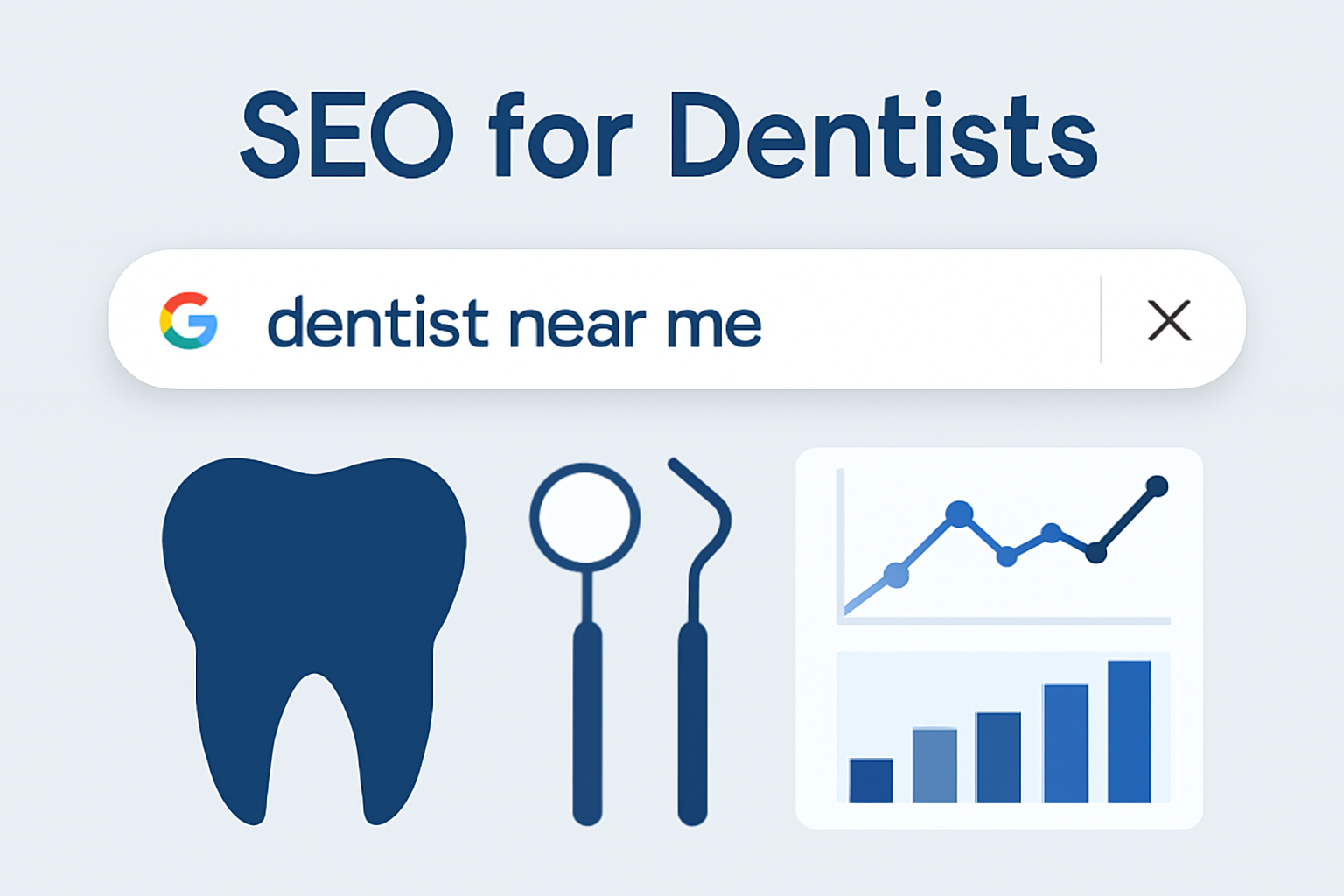
The digital presence of dental practices has become increasingly vital in recent years, with potential patients turning to search engines as their primary method of finding healthcare providers. Whilst traditional marketing methods retain some value, the reality is that most people begin their search for a new dentist online. This shift in behaviour has created both challenges and opportunities for dental practices seeking to attract new patients in competitive markets, and a rise in dental SEO.

Search engines have evolved considerably in how they display information to users. Rather than simply presenting a list of blue links, modern search results now include rich snippets, knowledge panels, and detailed business information. These enhanced displays provide users with immediate answers to their queries, often without requiring them to click through to a website. For dental practices, appearing in these prominent positions can mean the difference between being noticed or being overlooked entirely.

Schema markup represents one of the most significant technical advancements in helping search engines understand website content. This structured data format allows dental practices to communicate specific information about their services, location, opening hours, and specialisations directly to search engines. When implemented correctly, schema markup enables practices to stand out in search results with enhanced listings that capture attention and encourage engagement.

What Schema Markup Means for Dental Websites

Schema markup functions as a vocabulary that search engines can read and interpret with precision. It provides context to the information on a webpage, helping search algorithms understand not just what words appear on a page, but what those words actually mean. For dental practices, this translates into the ability to specify details such as accepted insurance providers, emergency availability, and specific treatments offered.

The LocalBusiness schema type forms the foundation for dental practice markup, allowing practices to define themselves within a recognised category that search engines can process. This structured approach to presenting information ensures that search engines can accurately match a practice’s services with relevant user queries, improving visibility for highly specific searches such as “emergency dentist near me” or “orthodontic consultations in Manchester”.

Implementation Strategies That Drive Results

Implementing schema markup requires attention to detail and adherence to Google’s structured data guidelines for local businesses. Dental practices must ensure that the information encoded in their schema matches the visible content on their website exactly. Discrepancies between structured data and displayed information can result in penalties or the removal of rich snippets from search results, undermining the entire purpose of implementation.

The types of schema markup most relevant to dental practices include opening hours, contact information, service areas, and accepted payment methods. Additionally, practices can mark up specific dental procedures, staff credentials, and patient review data. This comprehensive approach to structured data creates multiple pathways for search engines to connect the practice with relevant searches, expanding the range of queries for which the practice appears prominently.

Regular maintenance of schema markup remains crucial as practices evolve. Changes to opening hours, staff members, services offered, or contact details must be reflected in the structured data immediately. Outdated information not only frustrates potential patients but can also damage trust and credibility. Many practices incorporate schema updates into their routine website maintenance schedules to ensure consistency across all digital touchpoints.

Measuring the Impact on Practice Growth

The benefits of properly implemented schema markup extend beyond mere visibility. Enhanced search listings typically achieve higher click-through rates compared to standard results, as they provide users with more information upfront. This increased engagement often translates into more qualified leads, as potential patients have already reviewed key details before visiting the website. For practices focused on dental-based SEO schema markup represents a technical foundation that supports broader optimisation efforts.

Understanding schema implementation for local SEO success requires ongoing education and adaptation to changing search engine requirements. Practices that commit to maintaining current, accurate structured data position themselves advantageously in increasingly competitive digital markets.

Moving Forward with Structured Data

Schema markup has fundamentally altered how dental practices can present themselves in search results. By providing search engines with clear, structured information about services and capabilities, practices gain opportunities to connect with patients at precisely the moment they’re searching for dental care. The investment in proper implementation and maintenance of schema markup continues to yield returns through improved visibility and enhanced patient acquisition.

Harnessing Biophilic Design for Enhanced Dental Environments

Understanding the Natural Connection in Dental Care

The integration of biophilic design principles within dental practices represents a transformative approach to creating healing environments that honour humanity’s innate connection to nature. This design philosophy, which incorporates natural elements into built spaces, has gained considerable momentum with the dentist Port Macquarie, particularly as patient anxiety often runs high. By thoughtfully weaving natural materials, lighting, and organic forms into clinical spaces, dental professionals are discovering remarkable improvements in both patient comfort and treatment outcomes.

Biophilic design extends far beyond simply placing a few potted plants in a waiting room. It encompasses a comprehensive understanding of how natural elements can reduce stress hormones, lower blood pressure, and create environments that promote healing and wellbeing. For dental practices, this approach addresses one of the profession’s greatest challenges: helping patients feel at ease during what many perceive as stressful experiences.

Core Elements of Biophilic Dental Design

Natural Light and Illumination

The strategic use of natural light forms the cornerstone of biophilic dental environments. Large windows, skylights, and carefully positioned mirrors can dramatically transform the atmosphere of treatment rooms and waiting areas. Natural light not only reduces the institutional feel commonly associated with medical facilities but also helps regulate patients’ circadian rhythms, promoting a sense of calm and normalcy during appointments.

When natural light proves insufficient, full-spectrum lighting systems can replicate the qualities of sunlight, creating warm, inviting spaces that feel less clinical. This approach has been particularly successful in practices where biophilic design principles are revolutionising traditional clinic layouts, demonstrating measurable improvements in patient satisfaction scores.

Living Elements and Greenery

The incorporation of living plants and green walls serves multiple purposes within dental environments. Beyond their aesthetic appeal, plants actively improve air quality by filtering toxins and releasing oxygen, creating healthier indoor environments for both patients and staff. Carefully selected plant species can thrive in clinical settings whilst maintaining hygiene standards essential to dental practice operations.

Vertical gardens and living walls have become increasingly popular features in modern dental practices, offering dramatic visual impact whilst maximising limited floor space. These installations create focal points that naturally draw attention away from clinical equipment, helping patients feel more relaxed and connected to nature during their visit.

Natural Materials and Textures

The thoughtful selection of natural materials creates tactile experiences that reinforce the connection to nature throughout dental environments. Wood, stone, bamboo, and natural fibres introduce organic textures that soften the sterile atmosphere typically associated with clinical settings. These materials can be incorporated through flooring, wall treatments, furniture selection, and decorative elements whilst maintaining the hygiene standards essential for dental practice operations.

Natural stone feature walls, reclaimed timber reception desks, and organic-shaped seating arrangements contribute to environments that feel welcoming rather than intimidating. The visual and tactile qualities of these materials help patients feel grounded and comfortable, potentially reducing the anxiety commonly experienced during dental visits.

Water Features and Natural Sounds

The gentle sound of flowing water has long been recognised for its calming properties, making water features valuable additions to biophilic dental designs. Carefully positioned fountains, water walls, or aquariums can mask the sounds of dental equipment whilst creating peaceful auditory environments that promote relaxation.

Natural soundscapes, including recordings of ocean waves, forest sounds, or gentle rainfall, provide additional layers of biophilic design that transport patients mentally away from clinical settings. These auditory elements work particularly well when combined with visual nature elements to create immersive experiences.

Patient Benefits and Practice Outcomes

Research consistently demonstrates that biophilic design elements contribute to reduced stress levels, lower blood pressure, and improved overall patient satisfaction within healthcare environments. For dental practices, these benefits translate into more cooperative patients, reduced appointment anxiety, and improved treatment acceptance rates. Progressive practices, including a dentist Port Macquarie area, have reported notable improvements in patient retention and referral rates following biophilic design implementations.

Staff members also benefit from these natural environments, experiencing reduced workplace stress and increased job satisfaction. The positive atmosphere created through biophilic design principles contributes to better team morale and improved patient-practitioner relationships, creating virtuous cycles that enhance the overall practice experience.

Implementing Biophilic Design Successfully

Successful implementation requires careful planning that balances natural elements with clinical requirements. Embracing natural design principles in dental practices involves understanding how different elements work together to create cohesive environments that serve both aesthetic and functional purposes.

Practices considering biophilic design should evaluate their existing spaces, identify opportunities for natural element integration, and develop phased implementation plans. Understanding nature’s influence on modern dental environments helps practitioners make informed decisions about which elements will provide the greatest impact for their specific patient demographics and practice goals.

Creating Lasting Impact Through Natural Design

Biophilic design represents more than a passing trend in dental practice development; it acknowledges fundamental human needs for connection with nature whilst addressing the unique challenges of dental care delivery. As more practices embrace these principles, patients increasingly benefit from environments that support healing, reduce anxiety, and transform routine dental visits into more positive experiences that promote long-term oral health engagement.

Any surgical or invasive procedure carries risks. Before proceeding you should seek a second opinion from an appropriately qualified health practitioner.